
“For as he thinketh in his heart, so is he.” – Proverbs 23:7
Friday, July 8, 2016
11 Things To Remember When Going Through Tough Times
1. Everything can - and will - change.
2. You've overcome challenges before.
3. It's a learning experience.
4. Not getting what you want can be a blessing.
5. Allow yourself to have some fun.
6. Being kind to yourself is the best medicine.
7. Other people's negativity isn't worth worrying about.
8. You have lots of strengths as a person.
9. Anything is possible.
10. Great things take time.
11. And there is always, always, always something to be thankful for.

Friday, April 29, 2016
Courage by Edgar A. Guest

This is courage: to remain
Brave and patient under pain;
Cool and calm and firm to stay
In the presence of dismay;
Not to flinch when foes attack,
Even though you’re beaten back;
Still to cling to what is right,
When the wrong possesses might.
Brave and patient under pain;
Cool and calm and firm to stay
In the presence of dismay;
Not to flinch when foes attack,
Even though you’re beaten back;
Still to cling to what is right,
When the wrong possesses might.
This is courage: to be true
To the best men see in you;
To remember, tempest-tossed,
Not to whimper, “All is lost!”
But to battle to the end
While you still have strength to spend;
Not to cry that hope is gone
While you’ve life to carry on.
To the best men see in you;
To remember, tempest-tossed,
Not to whimper, “All is lost!”
But to battle to the end
While you still have strength to spend;
Not to cry that hope is gone
While you’ve life to carry on.
This is courage: to endure
Hurt and loss you cannot cure;
Patiently and undismayed,
Facing life still unafraid;
Glad to live and glad to take
Bravely for your children’s sake,
Burdens they would have to bear
If you fled and ceased to care.
Hurt and loss you cannot cure;
Patiently and undismayed,
Facing life still unafraid;
Glad to live and glad to take
Bravely for your children’s sake,
Burdens they would have to bear
If you fled and ceased to care.
- Edgar A. Guest
Photo by Ken R. Young
Photo by Ken R. Young
Saturday, April 23, 2016
Weather the Storms
 An experienced and now retired pilot and flight instructor learned valuable lessons about life while flying airplanes around the world. He learned that even though pilots control massive, powerful flying machines, there are some things they cannot control: they can’t change the direction of the wind, stop the rain or the snow, or smooth out the turbulence jolting the airplane.
 And so when teaching new pilots how to land a plane in adverse conditions, he wisely told them, “Don’t fight the controls. . . . Stay cool; don’t overreact. Keep your eyes focused on the centerline of the runway. If you deviate from your desired approach path, make prompt but measured corrections. Trust the potential of your airplane. Ride the turbulence out.”1
That’s good advice for pilots and good advice for those of us on the ground as well, because turbulence doesn’t happen only to airplanes; it also happens in our lives. Problems inevitably blow our way; sometimes things simply don’t go as planned. We may feel shaken and blown about by storms of sorrow, stress, or sadness. So many of these storms are beyond our control.
But there are things we can control. At the very least, we can choose not to become preoccupied with our trials and troubles and instead keep our eyes on the center of the runway, the path that leads to our ultimate destination—our faith and hope, our loving relationships, the things that transcend time.
If the wind has blown us off course, it’s not too late to make corrections. Sometimes what’s needed is grit and perseverance; other times it’s patience and perspective. Sometimes it might require extra concern for a loved one or maybe even the peace that comes of humble acceptance. Sometimes we just have to ride out the storm, hope and wait for better days, and do our best to weather whatever comes our way.
Because that’s the thing to remember about storms—they pass. In the meantime, we can hold fast to those everlasting things. And then, when the wind that blew the clouds in blows them away again, we will find that faith, truth, and love have remained forever unshaken.
-Lloyd D. Newell, Music and the Spoken Word
1. Dieter F. Uchtdorf, “Landing Safely in Turbulence,” Ensign, Feb. 2016, 4.
Monday, April 18, 2016
25 Ways To Be Happier Now
 1.
STOP GIVING REASONS FOR EVERYTHING.
1.
STOP GIVING REASONS FOR EVERYTHING.
That's
the biggest key to happiness, according to Stanford engineering professor
Bernard Roth and author of The Achievement Habit. For example, giving reasons
for being chronically late to meetings or explaining your inability to spend
more time with family as being too busy at work are indications that your
priorities are out of whack, and realigning them will lead to greater
happiness. "Reasons are often just excuses," he writes. "We use
them to hide our shortcomings from ourselves. When we stop using reasons to
justify ourselves, we increase our chances of changing behavior, gaining a
realistic self-image, and living a more satisfying and productive life."
2.
STOP SAYING "SHOULD."
I
should really work out tonight, I should really eat better, I should spend more
time at home. The word implies reluctance and guilt. Start saying
"want" instead of "should." The positive language will help
you clarify and prioritize what you really want to be doing at the moment — and
it can help you see healthy behaviors you're not psyched about (you really do
want to be eating better) in a motivating way.
3.
BE GRATEFUL.
It's
simple, and it works. The next time you feel like shit, think of five things in
your life you're thankful for. It'll turn around a dark moment and possibly
your entire day.
4.
SHIFT YOUR "HAPPINESS PARADIGM."
Redefine
what happiness means to you at the present moment — and realize you can be
happy now. "Guys especially get the formula for happiness wrong. We think,
“If I can work harder right now, I’ll be more successful, and then I’m going to
be happier," says Shawn Achor, author of the book The Happiness Advantage.
"And it turns out, that’s not true—partly because every time we hit a
goal, our brain changes what success looks like, so happiness is on the
opposite side of a moving target, and we never get there. But if guys can
create happiness in the present, they can actually dramatically improve their
success rates long-term."
5.
WORK OUT — IF JUST FOR 7 MINUTES.
Studies
have shown that exercise can be just as effective against depression and
anxiety than antidepressant medication. There's a physical component (exerting
yourself causes the brain to release dopamine) plus, "when you exercise,
your brain records a victory. You’ve been successful. And it creates this
cascade of success. So you start developing more positive habits," says
Achor.
6.
THANK SOMEONE.
"Writing
a two-minute positive email to somebody you know, praising them or thanking
them for something, increases your social support dramatically," says Achor.
"And it makes you happier while you’re writing that note."
7.
PRETEND YOU'RE AN OLD MAN LOOKING BACK ON YOUR LIFE, AND GIVE YOURSELF SOME
ADVICE.
8.
MAKE A SIMPLICITY LIST.
Write
down five or 10 things that are most important to you in life that you want to
accomplish. Boiling things down creates clarity and will get you started on a
plan that much faster.
9.
WORK ON YOUR HAPPINESS PERCEPTION.
Tal
Ben-Shahar, author of Happier: Learn the Secrets to Daily Joy and Lasting
Fulfillment, says that's about realizing that happiness is the goal to where
everything else leads. "It's about finding the overlap among the three
questions, 'What gives me meaning,' 'What gives me pleasure?' and 'What are my
strengths?'" Determining those things, and focusing on them even for a
slice of your day, will boost your mood long term.
10.
SET GOALS THAT ARE MEANS, NOT ENDS.
"For
sustained happiness, we need to change the expectations we have of our goals:
rather than perceiving them as ends (expecting that their attainment will make
us happy), we need to see them as means (recognizing they can enhance the
pleasure we take in the journey)," says Ben-Shahar. "A goal enables
us to experience a sense of being while doing." Pick goals that involve
growth and connection instead of acquisition. (See #18.)
11.
WRITE DOWN THREE GOOD THINGS THAT HAPPENED EACH DAY.
In
your job, career and life. It may sound corny, but it's scientifically proven
to work long-term. "Over a decade of empirical studies has proven the
profound effect it has in how our brains are wired," says Achor.
"Your brain will be forced to scan the last 24 hours for potential
positives. In just five minutes a day, this trains the brain to be more skilled
at noticing and focusing on possibilities for professional and personal growth,
and seizing opportunities to act on them." It's an exercise that has
staying power: One study found that participants who took time out to do this
were less depressed and more optimistic — even after they stopped the exercise.
12.
DECATASTROPHIZE.
Few
things contribute to depression more than viewing a temporary condition as a
terminal calamity. Things are rarely as bad as they seem.
13.
CONCENTRATE ON SMALL, MANAGEABLE GOALS.
Feel
like you're always on the verge of losing control? Define and claim your
territory. "One of the biggest drivers of success is the belief that our
behavior matters; that we have control over our future," writes Achor.
"Yet when our stresses and workloads mount faster than our ability to keep
up, feelings of control are the first things to go. If we first concentrate on
small, manageable goals, we regain the feeling of control so crucial to
performance."
14.
CREATE A 20-SECOND RULE.
Achor
recommends reducing a "barrier to change" by 20 seconds — make a
potential good habit 20 seconds easier to accomplish, or a bad habit that much
more difficult. Achor found that moving his guitar 20 seconds closer to his
desk resulted in him practicing more.
15.
MAKE A DATE.
Make
sure that you're budgeting plenty of time for social interaction with friends
and family. In a famous study, scientists studied the well-being of 1,600
Harvard undergrads over a period of 30 years. They found that the happiest ten
percent of the students were the ones who had the strongest social
relationships — and that was a more accurate predictor of happiness than GPA,
income, SAT scores, gender or race.
16.
SMILE, DAMMIT.
Forcing
a fake smile reduces stress, according to a University of Kansas study in which
subjects were asked to plunge their hands into a bucket of ice water while
forcing a smile. Researchers monitoring the subjects recorded lower blood
pressures in the people who smiled through the icy experience. And the smilers
reported less anxiety than those who showed neutral or distressed expressions.
17.
DO SOMETHING NICE, EVEN FOR A JERK.
People
tend to avoid people they don’t like—like your workplace arch nemesis — and
detach themselves from problems that they wish would go away. “Avoidance adds
to stress in the long run,” says family business consultant and psychologist
Mario Alonso, PhD. “By facing problems and acting on them you are taking
control and that feeling of empowerment will reduce stress.” Even better: a
random act of kindness toward the office asshole will automatically make you
feel better about yourself even if it goes unacknowledged, maybe especially if
it goes unappreciated.
18.
SPEND MONEY, BUT ON EXPERIENCES, NOT THINGS.
A
group of psychologists have discovered something they call the Easterlin
Paradox, meaning that physical possessions will make us happier — but only to a
point. Experiences become part of ourselves, while iPhones and Italian suits
remain separate from who we are. Experiences — whether they're luxury vacations
or a trip to the movies — also create social connections, which have
demonstrated mood-boosting benefits.
19.
EXERCISE YOUR SIGNATURE STRENGTH.
Everyone
is good at something, says Achor. "Every time we use a skill, whatever it
is, we experience a burst of positivity."
20.
FORGET AGING.
Romanelli
offers a quote from the actor John Barrymore: "You don't age until your
regrets outnumber your dreams." By that measure, you can stay young in
perpetuity.
21.
TAKE A BREAK AT 1:11.
Set
the alarm on your phone for that time, every day. Why? Romanelli says it's
important to have a regular time that's just for you to take a moment to feel
peaceful and relaxed. 1:11 is easy to remember.
22.
BE OK WITH WHO YOU ARE.
Be
as kind to yourself as you are to others. See your mistakes as opportunities to
learn. Notice things you do well, however small. A March 2014 survey by
psychologists who study happiness identified “ten keys to happier living” and
daily habits that make people genuinely happy. In an unexpected finding, the
psychologists at the University of Hertfordshire who performed the survey found
that the habit which corresponded most closely with being happy—and satisfied
with overall life—is self-acceptance.
23.
ASK FOR HELP.
Realize
that you can't and shouldn't be Superman. Asking for help takes the pressure
off what's stressing you — and the social interaction will have a doubly
happy-making effect.
24.
PLAN TO DO THINGS YOU WANT TO DO, NOT HAVE TO DO.
25.
MEDITATE.
According
to a review of 47 studies published in the journal JAMA Internal Medicine in
2014, mindfulness meditation was effective in reducing depression, anxiety and
pain. The technique involves being still and concentrating on the present
moment, while focusing on relaxing areas of tension throughout the body. The
study's author said that as little as two-and-a-half hours of the practice per
week was enough to see significant results. The best part: You can do it
anywhere, anytime, and it won't cost you a cent — a depression-lifter in
itself.
Tuesday, April 12, 2016
Positive Practices That Make A Happy Life
We
all want happiness, but we don’t always know how to get it.
The
good news is that you have more control over your own happiness than you think,
and there’s always something you can do to lift yourself out of that funk.
As
a positive psychologist and success coach, I have used the science of happiness
to help thousands of people around the globe create positive change and start
living their most fulfilling lives. I know what works, and I know that
happiness doesn’t have to be hard.
Start
by using these nine positive practices, and watch your good vibes roll.
Living
your happiest life begins with making the decision that today is going to be
awesome.
1. Get a good night’s
sleep.
This
may seem like basic advice, but it’s advice that so many of us neglect to take
seriously. Getting a good night’s sleep and taking care of your energy means
starting your day with a spring in your step and an ability to notice all the
opportunities the world has to offer you.
A
restful night's sleep starts with a good evening routine, so go to sleep at the
same time every night and avoid heavy meals and caffeine before bed. (Choose
camomile tea instead!) Read a book rather than watch television, and make sure
your phone and other electronics are off before bed.
2. Commit to a vision
and intention for your day.
Living
your happiest life begins with making the decision that today is going to be
awesome. There’s little point in thinking that you’ll be happy next month once
you head off on that vacation, or that you’ll find fulfillment once you finally
get that pay raise. Your happiness has to start now.
Decide
how you want your day to look, and focus on the best possible vision of that.
Set an intention and use a mantra that affirms it: “Today, I decide to be the
best that I can be.”
3. Meditate.
Self-care
is soul care, and setting aside time in your day just to be really
allows you to become present with yourself and enjoy the moment. Practicing
just 10 minutes of meditation can improve your focus, connection, happiness,
and health for the entire day.
4. Move your body to
move your mood.
A
life in motion is a happy life. After all, our bodies are meant to move.
Staying physically active provides us with far more mental clarity and far less
stress and anxiety. Find a workout that you absolutely love, because moving
your body shouldn’t be a chore.
I
personally love the high I feel from running, and the balance I experience
through yoga, but even just 20 minutes of walking is enough to activate your
brain and start releasing those happy hormones.
5. Consider how you can
serve others.
One
of the best ways to help yourself feel happier is to actually forget about
yourself for a moment. Focus on helping someone else instead. Kind people are
happy people, so what can you do that will help somebody else today? Don’t just
think it; do it ...
Choose
to pay it forward at your local coffee shop by buying somebody else a drink,
give the gift of time through volunteering or helping a family member with a
to-do list, or find a thoughtful gift to give to someone you care about.
6. Listen to your
favorite music.
A recent
study found that music has a positive effect on the brain, increases
self-awareness, and puts people in a better mood, so put on your favorite tunes
and let them guide you toward a happiness boost. Choose songs with positive
lyrics, and don’t be afraid to bust out some dance moves to enhance the mood-boosting
effect.
7. Choose to invest in
your relationships.
In
order to have a thriving life, you need to maintain thriving relationships.
Invest your attention into your relationships (after all, you make up 50
percent of them), and do everything necessary to help them flourish.
Ask
yourself what you can do to strengthen one of your relationships this week
… Could you give a compliment, lend a hand, or ask about something good that
has happened? Asking questions and taking an interest in other people is a
quick and easy way to develop your positive relationships.
8. Embrace negativity.
Living
your happiest life is not about ignoring all of the negatives. But instead of
pulling your hair out and reaching for wine whenever everything seems to be
going wrong, look at it as a lesson. Use your obstacles as opportunities, and
use your failures to serve your growth.
Look
back on any hard times and think about how much you have learned from those
experiences. What positive impact did that negative experience have on you? How
did it allow you to grow into the person you are today?
9. Say, "Thank
you."
There’s
a reason your parents told you to be grateful when you were growing up—an
attitude of gratitude is an essential part of a fulfilling life. You experience
more positive emotions when you focus on what you do have instead of on what
you don’t.
Fill
a page with all of the things you are grateful for—I guarantee you’ll feel so
much happier once you’re done!
by Niyc Pidgeon
An Attitude of Excellence
Words and acts of excellence are preceded by thoughts of excellence.
Your mind is a magnet. What you focus on is what you get. Your thoughts and beliefs have that much power. You receive what you believe. This works just as powerfully with negative thoughts as it does with positive thoughts.
You might be asking, "How can I be positive all the time when negative situations are a reality--they just show up in everyday life?"
Yes, bad things do happen and they sometimes "just show up." Any leader would be hard pressed to remember a week when no curve balls were thrown. However, it is your interpretation that makes a situation negative. A surprise event or a challenging moment doesn't drag you down. The way you think about what happens determines the ultimate outcome.
Like it or not, your thoughts and interpretations of people and events directly influence your beliefs, and ultimately, your leadership actions. Henry Ford said, "Whether you think you can or cannot, you're right." In other words, what you think is what you get.
Hannah Teeter understands this. While most girls were playing with dolls or getting ready for their high school proms, Hannah, Olympic gold medalist in the half-pipe snowboarding event, was trying to keep up with her four older brothers. She learned whatever they were willing to teach her about snowboarding, and they urged her to "push higher" and "go big."
After standing atop the highest step on the medalists' podium in Torino, Italy, Hanna was interviewed by a television commentator. He asked Hannah, "To what do you attribute your gold medal performance at the young age of 19?"
"My 'secret sauce,'" she said, "is my brothers, having great parents and being able to stay positive about anything and everything that's come my way. Keeping a positive outlook is definitely key to success on a snowboard or in any competition."
Hannah is right.
An attitude of excellence is the secret sauce for today's successful leader. Excellent leaders mentally reframe situations to help their teams view challenges in a positive light... they take a new picture. Facts are facts, but the view you take is your choice.
Your experiences are much less important than how you choose to think about them. Your interpretations of experiences either limit or enable your future success.
- Lee J. Colan
Tuesday, April 5, 2016
Let Go To Grow
Letting go of
old habits isn't easy. As my friend Byrd Baggett says, "You have to let go
to grow." Comfort certainly has its advantages--your comfy chair in the
living room, a comfortable routine at work, a comfortable relationship. With
all the advantages of comfort, here are some things you should know about the
comfort zone.
The comfort
zone is where most of life is played. It is certainly where most of sports is
played. Consider a football field: 90 percent of the game is played between the
20-yard lines. That's why they call anything outside that area the "red
zone"--it's where the difference in the game is made. It's where we really
grow personally and our teams score grows! Staying in the comfort zone too long
can also get boring, and it stunts our growth.
But, it feels
safe in the comfort zone, doesn't it? You know the boundaries, the landscape,
and the other comfortable players in the comfort zone. There is little or no
risk; a misstep here or there is not very costly. But like the football team
that's trapped between the 20-yard lines, we cannot win in the comfort zone.
Because the risk is small, so is the reward. Most learning and growth occur
when you are uncomfortable. Think of the defining moments of growth in your
life. Were you hanging out in your comfort zone? No, you were hanging over the
edge.
Here are four
comforting questions to encourage your growth.
1. Who else has done it?
You may think
you're in unexplored territory, but it's unlikely that you're trying something
that no one else has ever tried. Look around to find others who have explored
the same edge that you might be anxious about. Whether your comfort zone ends
at the edge of learning a new skill, speaking in public, making a financial
investment, expressing your feelings, or quitting a bad habit, someone else has
been at that very same edge. That person can help support you, prepare you, and
encourage you to win.
2. Can I dip my toe in first?
You do not have
to dive in head first into every new endeavor. Try it out first. Start small.
When you reflect on the first time you tried anything new (leading, investing,
speaking, a new technology, rock climbing) you probably remember how
uncomfortable you felt. But you stepped out and did it, and you soon discovered
that it wasn't as hard as you had expected, right? After a while, what was once
in the red zone becomes your comfort zone as you build your competence.
3. How bad can it be?
Often, the fear
in your mind paints a picture of things outside your comfort zone as being
darker than they really are. Remember, the victory is in the exploration itself
more than the success of your attempt.
4. How great can it be?
Your goals are
usually bigger than your comfort zone. You must be so passionate about your
goals that, instead of feeling that you have to leave your comfort zone, you
are magnetically drawn into the red zone to claim victory.
Leaders who
"grasp the past" are quickly left right there ... in the past.
Inspiring leaders continually grow themselves, then their teams are catapulted
into a brighter future.
-from Winners Always Quit
by Lee J. Colan
Friday, April 1, 2016
Be a Bumblebee
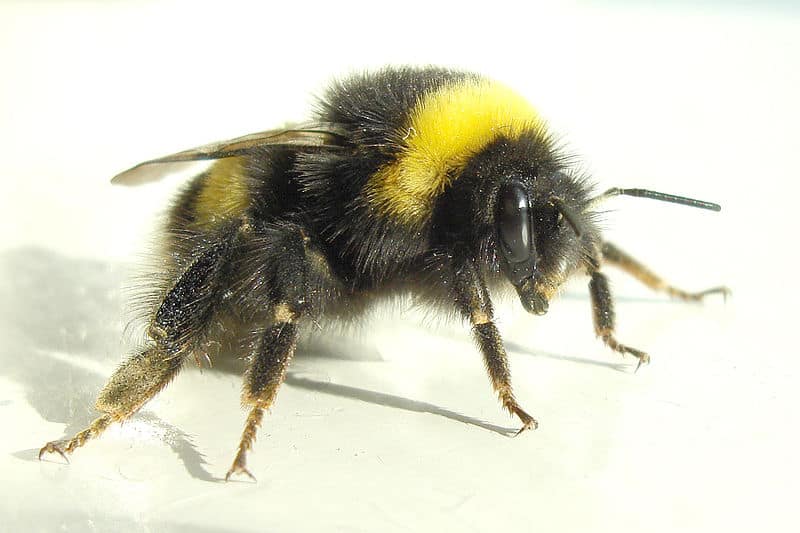
Did you know that the bumblebee should not be able to fly?
Based on its size, weight and shape of its body in relationship to the total wing span, a flying bumblebee is scientifically impossible.
The bumblebee, being ignorant of scientific input, goes ahead and flies anyway and makes honey every day.
Ignore the sting of negative inputs and thoughts and replace them with positive ones. If you do, you will be able to achieve things that no one else thinks possible!
- Lee J. Colan and Julie Davis-Colan
Wednesday, March 9, 2016
What You Should Give Up To Be Happy
Here is a list of 15 things that, if you give up on them, will make your life a lot easier and much, much happier. We hold on to so many things that cause us a great deal of pain, stress, and suffering — and instead of letting them all go, instead of allowing ourselves to be stress-free and happy — we cling to them.
Not anymore. Starting today we will give up on all those things that no longer serve us, and we will embrace change. Ready? Here we go:
1. Give up your need to always be right.
There are so many of us who can’t stand the idea of being wrong — wanting to always be right — even at the risk of ending great relationships or causing a great deal of stress and pain, for us and for others. It’s just not worth it. Whenever you feel the "urgent" need to jump into a fight over who is right and who is wrong, ask yourself this question from Dr. Wayne Dyer: “Would I rather be right, or would I rather be kind?” What difference will that make? Is your ego really that big?
2. Give up your need for control.
Be willing to give up your need to always control everything that happens to you and around you — situations, events, people, etc. Whether they are loved ones, coworkers, or just strangers you meet on the street, just allow them to be. Allow everything and everyone to be just as they are and see how much better you feel.
3. Give up on blame.
Give up on your need to blame others for what you have or don’t have, for what you feel or don’t feel. Stop giving your powers away and start taking responsibility for your life.
Give up your limiting beliefs about what you can or cannot do.
4. Give up your self-defeating self-talk.
Oh my. How many people are hurting themselves because of their negative, polluted, and repetitive self-defeating mindsets? Don’t believe everything that your mind is telling you — especially if it’s negative and self-defeating. You are better than that. As author Eckhart Tolle says, “The mind is a superb instrument if used rightly. Used wrongly, however, it becomes very destructive.”
5. Give up your limiting beliefs.
Give up your limiting beliefs about what you can or cannot do and about what is possible or impossible. From now on, you are no longer going to allow your limiting beliefs to keep you stuck in the wrong place. Spread your wings and fly!
6. Give up complaining.
Give up your constant need to complain about those many, many, maaany things that make you unhappy. It’s not the situation that triggers those feelings in you but how you choose to look at it. Never underestimate the power of positive thinking.
7. Give up the luxury of criticism.
Give up your need to criticize people who are different from you. We are all different, yet we are all the same. We all want to be happy. We all want to love and be loved. We all want to be understood. We all want something, and something is wished by us all.
8. Give up your need to impress others.
Stop trying so hard to be something that you’re not just to make others like you. It doesn’t work this way. The moment you stop trying so hard — the moment you take off all your masks and accept and embrace the real you — is the moment people will be drawn to you, effortlessly.
Minds only work when open.
9. Give up your resistance to change.
Change is good. Change will help you make improvements in your life and the lives of those around you. Follow your bliss and embrace change — don’t resist it.
10. Give up labels.
Stop labeling those things, people, or events that you don’t understand as being weird or different and try opening your mind, little by little. Minds only work when open.
11. Give up on your fears.
Fear is just an illusion; It doesn’t exist — you created it. It’s all in your mind. Correct the inside and the outside will fall into place. Franklin D. Roosevelt was right when he said, “The only thing we have to fear is fear itself.”
12. Give up your excuses.
A lot of times we limit ourselves with the many excuses we use. Instead of growing and working on improving ourselves and our lives, we get stuck, lying to ourselves with all kind of excuses — excuses that 99.9 percent of the time are not even real. Send them packing and tell them they’re fired. You no longer need them.
13. Give up the past.
I know, I know. It’s hard. Especially when the past looks so much better than the present and the future looks so frightening, but you have to take into consideration the fact that the present moment is all you have and all you will ever have. Stop deluding yourself. Be present in everything you do and enjoy life. After all, life is a journey, not a destination. Have a clear vision for the future and prepare yourself, but always be present in the now.
The present moment is all you have and all you will ever have.
14. Give up attachment.
This is a concept that is hard for most of us to grasp (and I have to tell you that it still is for me, too), but it’s not impossible. It will become easier and easier with time and practice. The moment you detach yourself from all possessions, you become so peaceful, so tolerant, so kind, and so serene.
That's not to say you must give up your love for everything, because love and attachment have nothing to do with one another. Attachment comes from a place of fear, while love … well, real love is pure, kind, and selfless. Where there is love there can’t be fear, so attachment and love cannot coexist.
15. Give up living your life to other people’s expectations.
Way too many people are living a life that is not theirs to live. They live according to what their parents think is best for them, to what their friends, their enemies, their teachers, their government, and their media think is best for them. They ignore their inner voices. They are so busy pleasing everybody that they lose control over their lives. They forget what makes them happy, what they want, what they need … and eventually they forget about themselves.
You have one life — this one right now — you must live it, own it. Don’t let other people’s opinions distract you from your path.
Not anymore. Starting today we will give up on all those things that no longer serve us, and we will embrace change. Ready? Here we go:
1. Give up your need to always be right.
There are so many of us who can’t stand the idea of being wrong — wanting to always be right — even at the risk of ending great relationships or causing a great deal of stress and pain, for us and for others. It’s just not worth it. Whenever you feel the "urgent" need to jump into a fight over who is right and who is wrong, ask yourself this question from Dr. Wayne Dyer: “Would I rather be right, or would I rather be kind?” What difference will that make? Is your ego really that big?
2. Give up your need for control.
Be willing to give up your need to always control everything that happens to you and around you — situations, events, people, etc. Whether they are loved ones, coworkers, or just strangers you meet on the street, just allow them to be. Allow everything and everyone to be just as they are and see how much better you feel.
3. Give up on blame.
Give up on your need to blame others for what you have or don’t have, for what you feel or don’t feel. Stop giving your powers away and start taking responsibility for your life.
Give up your limiting beliefs about what you can or cannot do.
4. Give up your self-defeating self-talk.
Oh my. How many people are hurting themselves because of their negative, polluted, and repetitive self-defeating mindsets? Don’t believe everything that your mind is telling you — especially if it’s negative and self-defeating. You are better than that. As author Eckhart Tolle says, “The mind is a superb instrument if used rightly. Used wrongly, however, it becomes very destructive.”
5. Give up your limiting beliefs.
Give up your limiting beliefs about what you can or cannot do and about what is possible or impossible. From now on, you are no longer going to allow your limiting beliefs to keep you stuck in the wrong place. Spread your wings and fly!
6. Give up complaining.
Give up your constant need to complain about those many, many, maaany things that make you unhappy. It’s not the situation that triggers those feelings in you but how you choose to look at it. Never underestimate the power of positive thinking.
7. Give up the luxury of criticism.
Give up your need to criticize people who are different from you. We are all different, yet we are all the same. We all want to be happy. We all want to love and be loved. We all want to be understood. We all want something, and something is wished by us all.
8. Give up your need to impress others.
Stop trying so hard to be something that you’re not just to make others like you. It doesn’t work this way. The moment you stop trying so hard — the moment you take off all your masks and accept and embrace the real you — is the moment people will be drawn to you, effortlessly.
Minds only work when open.
9. Give up your resistance to change.
Change is good. Change will help you make improvements in your life and the lives of those around you. Follow your bliss and embrace change — don’t resist it.
10. Give up labels.
Stop labeling those things, people, or events that you don’t understand as being weird or different and try opening your mind, little by little. Minds only work when open.
11. Give up on your fears.
Fear is just an illusion; It doesn’t exist — you created it. It’s all in your mind. Correct the inside and the outside will fall into place. Franklin D. Roosevelt was right when he said, “The only thing we have to fear is fear itself.”
12. Give up your excuses.
A lot of times we limit ourselves with the many excuses we use. Instead of growing and working on improving ourselves and our lives, we get stuck, lying to ourselves with all kind of excuses — excuses that 99.9 percent of the time are not even real. Send them packing and tell them they’re fired. You no longer need them.
13. Give up the past.
I know, I know. It’s hard. Especially when the past looks so much better than the present and the future looks so frightening, but you have to take into consideration the fact that the present moment is all you have and all you will ever have. Stop deluding yourself. Be present in everything you do and enjoy life. After all, life is a journey, not a destination. Have a clear vision for the future and prepare yourself, but always be present in the now.
The present moment is all you have and all you will ever have.
14. Give up attachment.
This is a concept that is hard for most of us to grasp (and I have to tell you that it still is for me, too), but it’s not impossible. It will become easier and easier with time and practice. The moment you detach yourself from all possessions, you become so peaceful, so tolerant, so kind, and so serene.
That's not to say you must give up your love for everything, because love and attachment have nothing to do with one another. Attachment comes from a place of fear, while love … well, real love is pure, kind, and selfless. Where there is love there can’t be fear, so attachment and love cannot coexist.
15. Give up living your life to other people’s expectations.
Way too many people are living a life that is not theirs to live. They live according to what their parents think is best for them, to what their friends, their enemies, their teachers, their government, and their media think is best for them. They ignore their inner voices. They are so busy pleasing everybody that they lose control over their lives. They forget what makes them happy, what they want, what they need … and eventually they forget about themselves.
You have one life — this one right now — you must live it, own it. Don’t let other people’s opinions distract you from your path.
Tuesday, March 1, 2016
22 Reasons Why I Won't Be Voting For Trump
I feel the need, in the spirit of achieving a hopeful POSITIVE outcome, to offer this political posting on my Positive Thinkers Journal blog.
NOTE: The information to compile this list came from various sources, not documented here, but all are verifiable and searchable on Google.
TWENTY-TWO REASONS WHY I WON'T BE VOTING FOR TRUMP
Do you really want this guy running our county?
Here
are a multitude of reasons why I won’t be voting for Trump, which are based on
verifiable facts, including things he has said and done that prove his negative
character and his inability to be a good, positive, and effective leader of our
nation:
1. Not a proven
leader where it counts for our country. Bluster and insults are not enough
when it comes to our economic, spiritual and social futures. Running real
estate and casino companies have nothing to do with running a country, creating
alliances in Congress, or dealing with foreign allies and enemies. He has shown
ignorance on the effects that his tax plan would have on the deficit. Running a
lemonade stand is not the same as running a massive citrus farm.
2. Has few actual
policies.
Presidential contenders typically draft detailed policies that they intend to
pursue if elected. Beyond building a “great, great wall” along the southern
border and sticking it to China, Trump has released few detailed policies. His
website offers just five short position papers.
3. Has scary international
politics and inexperience. Trump claimed he would rid the world of the Islamic State
by “bombing the s— out of them.” The
problem is that, to be tough, you actually have to know how to win. Toughness
without strategy is just bluster. Such nuclear-cowboy actions would slaughter
innocent families on an enormous scale. As former defense secretary Robert
Gates said people “making these broad pronouncements” simply “don’t know what
they’re talking about.”
He has repeatedly revealed his ignorance on basic matters of
national interest. Trump didn’t know what the nuclear triad was when asked in
December’s debate, nor in November’s debate that China wasn’t a party to the
Trans-Pacific Partnership, which is intended to counter that country’s economic
influence. (The nuclear triad is the doomsday force of land-based missiles,
long-range bombers and submarine-launched missiles that the President can order
used if America is attacked.) Trump has shown ignorance on the difference
between the Quds Force in Iran and the Kurds to their west, and on North
Korea’s nuclear tests.
His plans to quickly and “humanely” expel 11 million illegal
immigrants, to force Mexico to pay for the wall he will build on our southern
border, to defeat the Islamic State “very quickly” while as a bonus taking its
oil, to bar Muslims from immigrating to the United States — are naive pipe
dreams and public relations stunts.
Trump said that the U.S. would be better off “if we had
Saddam Hussein and we had Gaddafi in charge."
4. Not a positive
leader.
As George W. Bush said, “We do not need
someone in the Oval Office who mirrors and inflames our anger and frustrations;
we need someone who can fix the problems that cause their anger and
frustration.”
5. Not a true
conservative. His liberal politics
in the past were shown as he favored the economic stimulus plan, the automobile industry
bailouts, the bank bailouts and the assault-weapons ban; he has called himself
“very pro-choice,” “very liberal” and a backer of “universal health care”;
during the 2012 campaign, he criticized Republican Mitt Romney’s harsh
immigration rhetoric – and yet he wants to build a wall on the Mexican border
and deport 11 million of them?
For those who are truly conservative in politics, a
businessman like Trump who is legendary for deal-making should be the last
person they would want in the White House.
6. A political
party flip-flopper. His party affiliation switched in 1999 from Republican to
independent, then to Democrat in 2001, then to Republican in 2009. As recently
as 2008, he praised Hillary Clinton, writing that “I know Hillary and I think
she’d make a great president or vice-president.” In 2004 he told CNN’s Wolf
Blitzer, “I probably identify more as Democrat.” This is the sign of a man
guilty of blatant pandering. This from the Republican front-runner.
7. A part of the “establishment”
that people say they hate. Just because Trump has never held elective office does not
mean he’s out of touch with the political class. Bill and Hillary Clinton attended
his wedding. He is a crony capitalist. He’s given a ton of money (mostly to
Democrats) to politicians, and sucks up to them like anybody else.
8. His nomination would
be the worst outcome for Republicans. It is impossible to predict where the
political contest between Trump and Hillary Clinton would end up. Clinton has
manifestly poor political skills, and Trump possesses a serious talent for the
low blow. But Trump’s nomination would not be the temporary victory of one of
the GOP’s ideological factions. It would involve the replacement of the humane
ideal at the center of the party and its history. If Trump is the nominee, the
GOP will cease to be.
The ideals of the Republican the party that were set by
Abraham Lincoln included “human dignity, honored by human freedom and
undergirded by certain moral commitments, including compassion and tolerance.” Where in this do Donald Trump’s antics fit?
9. Will be powerless
to do a lot of the things people say they want, to make new
laws, alter U.S. strategy. A vote for Trump is a guarantee that actual,
realistic changes people say they want will never happen. Instead of
translating outraged voices into meaningful action, we will find a candidate
who knowingly made promises he couldn’t keep.
10. Attacks anyone
who disagrees with him, from journalists to other politicians to Muslims at large
— people who have the freedom to disagree with him. Mr. tough-guy Trump can't handle tough
questions about his past and things he has said, and withdrew from Fox News’s
presidential debate because he didn’t think host Megyn Kelly would treat him
fairly. Trump has called Mexican immigrants criminals and rapists, and said of
an African-American protester, “Maybe he should have been roughed up because it
was absolutely disgusting what he was doing.”
11. Crass, rude and
offensive.
He repeated a vulgarity that was said as
a crass insult to candidate Ted Cruz, and defended it as being a “favor” for a
crowd in New Hampshire. He publicly offended candidate Carly Fiorina by saying 'Look
at that face!' he cries. 'Would anyone vote for that? Can you imagine that, the
face of our next president?!' and questioned how we could seriously support her
because she's a woman. He physically mocked a Times journalist with a disability,
ridiculed Senator John McCain for being a P.O.W., made a reference to “blood”
intended to degrade a female journalist and compared one of his opponents to a
child molester.
On Mexican immigrants he said, "They’re bringing drugs,
they’re bringing crime, they’re rapists". He has proposed registering
all Muslims. Not since the days of the Confederacy have American leaders openly
criticized another race or religion. And, there are many more well documented instances
of offensive, racist, ignorant and misogynist comments. Such behavior is common
to him, just like a school-yard bully.
As Megyn Kelly said in the first GOP debate, “You’ve called
women you don’t like, ‘fat pigs,’ ‘dogs,’ ‘slobs’ and ‘disgusting animals.’ …
Your Twitter account has several disparaging comments about women’s looks. You
once told a contestant on ‘Celebrity Apprentice’ it would be a pretty picture to
see her on her knees."
"Does that sound to you like the temperament of a man we
should elect as president?”
12. His character
flaws are very evident. Trump is erratic, inconsistent and unprincipled. He
possesses a streak of crudity and cruelty. He has a penchant for blaming others
for his mistakes, he has put out many several misogynistic and racist tweets,
and shown himself to be a man averse to being humbled by his errors and
unwilling to learn from them. He describes himself as “a really smart person,”
frequently mentioning his Ivy League education. He promises to personally
out-negotiate Iran, Mexico, Russia, China and any other international foe. What
he does lack is humility, telling a Tonight Show audience that “I will
absolutely apologize, sometime in the hopefully distant future, if I’m ever
wrong.”
Mr. Trump’s legendary narcissism would be comical were it
not dangerous in someone seeking the nation’s highest office — as he
demonstrated when he showered praise on the brutal, anti-American president of
Russia, Vladimir Putin, responding to Mr. Putin’s expression of admiration
for Mr. Trump.
Trump’s persona is very much the overbearing alpha male
character he honed as a reality television star.
13. Filed for
bankruptcy 4 times in an effort to save his casino businesses. Sometimes
bankruptcy is the result of circumstances beyond the control of the business - such
as a struggling casino industry (Need I say anything about how honorable an
industry this is for a future president to be involved in?) Usually, bankruptcies
are a combination of poor judgment and situations beyond control. Not just once
or twice, but 4 times?
Outside of bankruptcies, Trump has been involved with a
whole slew of other business failures, from an airline to selling meat. Yet, he
is considered a good businessman?
14. Hesitant to
reveal his tax returns. When Hugh Hewitt, one of the moderators, told Trump
that he said he would release his returns a year ago, the candidate replied:
“First of all, very few people listen to your radio show. I want to release my
tax returns. But I can’t release them while I’m under audit.” On CNN afterward,
Trump claimed that the IRS might be auditing him because he’s a strong
Christian. What??
Trump’s hesitancy to reveal his tax returns will show, as
Mitt Romney suggested, "Either he's not as anywhere near as wealthy as he
says he is or he hasn't been paying the kind of taxes we would expect him to
pay, or perhaps he hasn't been giving money to the vets or to the disabled like
he's been telling us he's been doing.”
15. Has been involved
in illegal business practices, including being fined for hiring
illegal immigrants to work at his properties. His Trump University is being
examined for fraud, against which several lawsuits have been filed.
16. Divorced two
times because of extra-marital affairs – Trumps marriage to first wife Ivana
lasted 14 years. They divorced because of his affair with Marla Maples who had
his baby out of wedlock. Two months after the baby was born he married Marla,
but then they divorced only 5 years later. He had extra-marital affairs with
model Kara Young and future and current wife Melania Knauss while still married
to Marla.
Can a man who can’t be faithful to his wife be faithful to
his nation?
Only one other president in U.S. history has been divorced,
and only once. Ronald Reagan was a Hollywood actor whose actress wife Jane
Wyman filed to divorce him in 1948 because of his political ambitions. He
married his second wife Nancy Davis three years later and they remained married
for 52 years until he died. Not at all a scenario that compares with Trump's
philandering caused divorces.
17. A Vietnam draft
dodger.
Trump received 4 draft deferments while a college student at the University of
Pennsylvania Wharton School, and finally got a medical exemption that staved
off the draft. Trump wasn’t drafted because of “bone spurs” in his feet that
have since miraculously vanished. Every one of our 44 presidents has had either
government or military experience before being sworn in. Mr. Trump, a real
estate mogul and former reality-television star, hasn’t served a day in public
office or the armed forces.
18. A big, loud
mouth, saying whatever the moment needs to rally support. You say you
like him because he's not afraid to speak his mind? No, it's more like he
speaks your mind. He says what you want to hear. Not that he has the ability or
knowledge of how to do anything he says.
That doesn't matter, right? As
long as you can say it in a loud-mouthed way, you must be able to do it, right?
And much of what he says is done in a provocative and unprofessional manner.
As former President George W. Bush said, "Strength is
not empty rhetoric. It is not bluster. It is not theatrics. Real strength,
strength of purpose, comes from integrity and character. And in my experience,
the strongest person usually isn't the loudest one in the room."
19. A dishonest man
that manipulates the truth. Polls have revealed
that Trump supporters want an outsider because they’re tired of political
elites who constantly lie and manipulate the truth. Yet, Trump has proven
to be the most dishonest politician running for president. FactCheck.org, which
called him the “King of Whoppers,” said, “In the 12 years of FactCheck.org’s
existence, we’ve never seen his match.” Politifact awarded Trump the 2015
Lie of the Year because 65 percent of his statements were mostly false, false
or “pants on fire.” Only 1 percent were strictly true.
Trump not only lies, but doubles down on those lies.
Examples include saying that Muslims in New Jersey cheered 9/11, that vaccines
cause autism, that President Obama wasn’t born in the United States and that
global warming is a hoax perpetrated by China to close U.S. factories.
All indications show that Trump is a big phony who says
whatever he can, bullying and lying, all for political gain.
20. His claims to
be religious are for show and highly suspect of being an effort to win evangelical
support. When asked about favorite Bible verses or making references to the
Bible, his answers have made it clear that he has a fundamental lack of
familiarity with the book. On Trump's
plans to build a wall on the Mexican border, Pope Francis said, “A person who
thinks only about building walls, wherever they may be, and not building
bridges, is not Christian. This is not in the Gospel."
21. A poor example
for children.
Generations of American parents have inspired their children to grow up to be
President. But a would-be President who insults women, spews profanity, is on
his third wife, and calls anyone who disagrees with him a “loser” may not be
someone to look up to.
22. Will accept any
endorsement, even the Ku Klux Klan. Trump refused several opportunities
to denounce an implicit endorsement from former Ku Klux Klan leader David Duke,
and he even went so far as to claim that he didn’t know David Duke or what he
and white supremacy groups stand for. Aw c’mon. There’s much evidence to the
contrary.
If the Ku Klux Klan endorses him, what
does that say?
There are plenty more reasons, but isn't that enough? Again, do you
really want this guy running our county?
NOTE: The information to compile this list came from various sources, not documented here, but all are verifiable and searchable on Google.
Tuesday, February 23, 2016
Four Virtues To Live By - Wayne W. Dyer
“Some 2,500 years ago, Lao-tzu spoke of ‘the four cardinal virtues’ and noted that when we practice them as a way of life, we come to know and access the truth of the universe. These four virtues don’t represent external dogma, but a part of our original nature—by practicing them, we realign with Source and access the powers that Source energy has to offer. According to the teachings of Lao-tzu, the four cardinal virtues represent the surest way to leave habits and excuses behind and reconnect to your original nature. The more your life is harmonized with the four virtues, the less you’re controlled by the uncompromising ego.
The First Cardinal Virtue: Reverence for All Life
The first cardinal virtue manifests in your daily life as unconditional love and respect for all beings in creation. This includes making a conscious effort to love and respect yourself, as well as to remove all judgments and criticisms. Understand that you are a piece of God, and since you must be like what you came from, you are lovable, worthy, and Godlike. Affirm this as often as you can, for when you see yourself in a loving way, you have nothing but love to extend outward. And the more you love others, the less you need old excuse patterns, particularly those relating to blame.
The Second Cardinal Virtue: Natural Sincerity
This virtue manifests itself as honesty, simplicity, and faithfulness; and it’s summed up by the popular reminder to be true to yourself. Using an excuse to explain why your life isn’t working at the level you prefer isn’t being true to yourself—when you’re completely honest and sincere, excuses don’t even enter into the picture. The second virtue involves living a life that reflects choices that come from respect and affection for your own nature. Make truth your most important attribute. Walk your talk; that is, become sincere and honest in all that you say and do. If you find this to be a challenge, take a moment to affirm: I no longer need to be insincere or dishonest. This is who I am, and this is how I feel. When you know and trust yourself, you also know and trust the Divinity that created you. If you live from honesty, sincerity, and faithfulness to the callings of your spirit, you’ll never have occasion to use excuses.
The Third Cardinal Virtue: Gentleness
This virtue personifies one of my favorite and most frequently employed maxims: ‘When you have the choice to be right or to be kind, always pick kind.’ So many of your old thinking habits and their attendant excuses come out of a need to make yourself right and others wrong. When you practice this third virtue, you eliminate conflicts that result in your need to explain why you’re right. This virtue manifests as kindness, consideration for others, and sensitivity to spiritual truth.
Gentleness generally implies that you no longer have a strong ego-inspired desire to dominate or control others, which allows you to move into a rhythm with the universe. You cooperate with it, much like a surfer who rides with the waves instead of trying to overpower them. Gentleness means accepting life and people as they are, rather than insisting that they be as you are. As you practice living this way, blame disappears and you enjoy a peaceful world.
The Fourth Cardinal Virtue: Supportiveness
This virtue manifests in your life as service to others without any expectation of reward. Once again, when you extend yourself in a spirit of giving, helping, or loving, you act as God acts. As you consider the many excuses that have dominated your life, look carefully at them—you’ll see that they’re all focused on the ego: I can’t do this. I’m too busy or too scared. I’m unworthy. No one will help me. I’m too old. I’m too tired. Now imagine shifting your attention off of yourself and asking the universal mind How may I serve? When you do so, the message you’re sending is: I’m not thinking about myself and what I can or can’t have. Your attention is on making someone else feel better.
The greatest joy comes from giving and serving, so replace your habit of focusing exclusively on yourself and what’s in it for you. When you make the shift to supporting others in your life, without expecting anything in return, you’ll think less about what you want and find comfort and joy in the act of giving and serving.
The four cardinal virtues are a road map to the simple truth of the universe. To revere all of life, to live with natural sincerity, to practice gentleness, and to be in service to others is to replicate the energy field from which you originated.”
-Wayne
The First Cardinal Virtue: Reverence for All Life
The first cardinal virtue manifests in your daily life as unconditional love and respect for all beings in creation. This includes making a conscious effort to love and respect yourself, as well as to remove all judgments and criticisms. Understand that you are a piece of God, and since you must be like what you came from, you are lovable, worthy, and Godlike. Affirm this as often as you can, for when you see yourself in a loving way, you have nothing but love to extend outward. And the more you love others, the less you need old excuse patterns, particularly those relating to blame.
The Second Cardinal Virtue: Natural Sincerity
This virtue manifests itself as honesty, simplicity, and faithfulness; and it’s summed up by the popular reminder to be true to yourself. Using an excuse to explain why your life isn’t working at the level you prefer isn’t being true to yourself—when you’re completely honest and sincere, excuses don’t even enter into the picture. The second virtue involves living a life that reflects choices that come from respect and affection for your own nature. Make truth your most important attribute. Walk your talk; that is, become sincere and honest in all that you say and do. If you find this to be a challenge, take a moment to affirm: I no longer need to be insincere or dishonest. This is who I am, and this is how I feel. When you know and trust yourself, you also know and trust the Divinity that created you. If you live from honesty, sincerity, and faithfulness to the callings of your spirit, you’ll never have occasion to use excuses.
The Third Cardinal Virtue: Gentleness
This virtue personifies one of my favorite and most frequently employed maxims: ‘When you have the choice to be right or to be kind, always pick kind.’ So many of your old thinking habits and their attendant excuses come out of a need to make yourself right and others wrong. When you practice this third virtue, you eliminate conflicts that result in your need to explain why you’re right. This virtue manifests as kindness, consideration for others, and sensitivity to spiritual truth.
Gentleness generally implies that you no longer have a strong ego-inspired desire to dominate or control others, which allows you to move into a rhythm with the universe. You cooperate with it, much like a surfer who rides with the waves instead of trying to overpower them. Gentleness means accepting life and people as they are, rather than insisting that they be as you are. As you practice living this way, blame disappears and you enjoy a peaceful world.
The Fourth Cardinal Virtue: Supportiveness
This virtue manifests in your life as service to others without any expectation of reward. Once again, when you extend yourself in a spirit of giving, helping, or loving, you act as God acts. As you consider the many excuses that have dominated your life, look carefully at them—you’ll see that they’re all focused on the ego: I can’t do this. I’m too busy or too scared. I’m unworthy. No one will help me. I’m too old. I’m too tired. Now imagine shifting your attention off of yourself and asking the universal mind How may I serve? When you do so, the message you’re sending is: I’m not thinking about myself and what I can or can’t have. Your attention is on making someone else feel better.
The greatest joy comes from giving and serving, so replace your habit of focusing exclusively on yourself and what’s in it for you. When you make the shift to supporting others in your life, without expecting anything in return, you’ll think less about what you want and find comfort and joy in the act of giving and serving.
The four cardinal virtues are a road map to the simple truth of the universe. To revere all of life, to live with natural sincerity, to practice gentleness, and to be in service to others is to replicate the energy field from which you originated.”
-Wayne
Friday, January 29, 2016
Wisdom From Two Successful Women: Oprah Winfrey and J.K. Rowling
 From Oprah Winfrey:
“I don't
believe in failure. It is not failure if you enjoyed the process.”
“Passion is
energy. Feel the power that comes from focusing on what excites you.”
“Challenges are
gifts that force us to search for a new center of gravity. Don't fight them.
Just find a different way to stand.”
“The biggest
adventure you can take is to live the life of your dreams.”
“Doing the best
at this moment puts you in the best place for the next moment.”
“The greatest
discovery of all time is that a person can change his future by merely changing
his attitude.”
“Understand
that the right to choose your own path is a sacred privilege. Use it. Dwell in
possibility.”
“The whole
point of being alive is to evolve into the complete person you were intended to
be.”
“I feel that
luck is preparation meeting opportunity."
“Whatever you
fear most has no power — it is your fear that has the power.”
“Every day
brings a chance for you to draw in a breath, kick off your shoes, and dance.”
“I believe that
one of life's greatest risks is never daring to risk.”
“Check your ego
at the door and check your gut instead. Every right decision I have ever made
has come from my gut.“
“I know for
sure that what we dwell on is who we become.”
“You are built
not to shrink down to less but to blossom into more.”
“Difficulties
come when you don't pay attention to life's whisper. Life always whispers to
you first, but if you ignore the whisper, sooner or later you'll get a scream.”
“Be thankful
for what you have; you'll end up having more. If you concentrate on what you
don't have, you will never, ever have enough.”
“Every time you
state what you want or believe, you're the first to hear it. It's a message to
both you and others about what you think is possible. Don't put a ceiling on
yourself.”
“Be more
splendid, more extraordinary. Use every moment to fill yourself up.”
“I trust that
everything happens for a reason, even when we're not wise enough to see it.”
“Do the one
thing you think you cannot do. Fail at it. Try again. Do better the second
time. The only people who never tumble are those who never mount the high wire.
This is your moment. Own it.”
 From J.K. Rowling:
“I mean, you
could claim anything’s real if the only basis for believing in it is that
nobody’s proved it doesn’t exist!”
“Some failure
in life is inevitable It is impossible to live without failing at something,
unless you live so cautiously that you might as well not have lived at all — in
which case, you fail by default.”
“Is 'fat'
really the worst thing a human being can be? Is 'fat' worse than 'vindictive',
'jealous', 'shallow', 'vain', 'boring' or 'cruel'? Not to me."
“As is a tale,
so is life: Not how long it is, but how good it is, is what matters.”
“I don't think
there's any harm at all in allowing a kid to fantasize. In fact, I think to
stop people from fantasizing is a very destructive thing indeed.”
"We do not
need magic to change the world, we carry all the power we need inside ourselves
already: we have the power to imagine better.”
“It does not do
to dwell on dreams and forget to live.” – Harry
Potter and the Sorcerer’s Stone
"Never be
ashamed! There's some who'll hold it against you, but they're not worth
bothering with."
“It is our choices,
Harry, that show what we truly are, far more than our abilities.” — Harry Potter and the Chamber of Secrets
“Whatever money
you might have, self-worth really lies in finding out what you do best.”
“It matters not
what someone is born, but what they grow to be.” — Harry Potter and the Goblet of Fire
“Whatever money
you might have, self-worth really lies in finding out what you do best.”
“What’s coming
will come, and we’ll meet it when it does.” –
Harry Potter and the Goblet of Fire
"Why do I
talk about the benefits of failure? Simply because failure meant a stripping
away of the inessential. I stopped pretending to myself that I was anything
other than what I was, and began to direct all my energy into finishing the
only work that mattered to me."
Subscribe to:
Posts (Atom)